Real Estate Website Design Trends Every Realtor Should Know
Posted by

Daniel Carter

Your website is more than just a place to list properties, it’s where buyers get their first impression of you. If your site feels slow, cluttered, or confusing, that excitement about finding a new home can vanish in seconds.
In 2026, a realtor website design isn’t just a digital presence, it’s your handshake, your storefront, and the bridge to leads that could grow your business.
Whether you’re a solo agent or part of a busy team, staying on top of real estate website design trends can transform how potential clients see you. In this guide, we’ll explore the latest trends, modern real estate website features, and actionable design tips, all in a friendly, easy-to-follow way.
No tech jargon, no overwhelm, just practical insights that make your website work smarter and look incredible. Think of it as chatting over coffee about how to create high-converting real estate websites that truly impress.
Why Great Web Design Matters in Real Estate
Let’s be honest, homebuyers spend hours scrolling online before they pick up the phone. Your website is often the first contact they have with your brand. A slow, outdated, or confusing website can make a buyer question your professionalism.
On the other hand, a high-converting real estate website gives confidence, builds trust, and encourages action, whether it’s scheduling a tour or signing up for updates.
As the most visited real estate website in the US, Zillow sets the standard for property search functionality and user-friendly design.
Modern buyers expect seamless experiences. They want mobile-friendly real estate website design, fast load times, and a clear path to the information they need. That’s why investing in real estate web design services isn’t just nice-to-have, it’s essential. The right design can turn casual visitors into lifelong clients, while poor design can quietly cost you opportunities.
Real Estate Website Design Trends
Staying ahead means embracing trends that improve usability, engagement, and trust. Here’s what’s shaping realtor website design in 2026:
1. Mobile Friendly Real Estate Website Design
Nearly 70% of home searches start on mobile devices. Your website must look amazing on a phone or tablet. Mobile-friendly real estate website design isn’t just about shrinking content, it’s about designing layouts, buttons, and forms for touch, easy scrolling, and quick access to property details.
Simplify navigation, make call-to-action buttons easy to tap, and prioritize essential content first. A modern real estate website feature like a sticky “Schedule a Tour” button can boost engagement and lead conversions.
This technology-powered brokerage combines sleek design with accurate, up-to-date MLS data and advanced mapping features.
2. AI-Powered Property Search and Personalization
Buyers today expect your website to know them, or at least feel like it does. AI-driven property recommendations and smart search features allow users to filter homes by preferences and receive personalized suggestions. From recent searches to neighborhood preferences, AI can make browsing feel tailored.
This trend is a key part of real estate website optimization techniques and enhances the user experience, helping your site stand out as high-converting real estate websites.
3. Interactive Virtual Tours and Video Listings
Photos alone no longer cut it. Buyers want immersive experiences. Integrating 3D virtual tours, drone videos, and walkthroughs creates a more engaging browsing experience. Websites with video listings not only educate buyers but also boost lead capture, users spend more time exploring and imagining themselves in a space.
These are some of the modern real estate website features that can set your site apart and give visitors a reason to stay.
4. Clean, Minimal Design with Strong Calls to Action
Cluttered websites overwhelm visitors. Minimalist layouts with clear calls to action improve navigation and increase engagement. Think about best website design for realtors: simple top navigation, clear property grids, and well-placed “Contact Me” or “Schedule a Tour” buttons guide visitors effortlessly.
Use whitespace strategically and keep font choices consistent for a polished feel. This trend aligns with real estate website design tips 2026, simplicity converts.
The official trade association provides industry research, design best practices, and digital marketing insights for professionals.
5. Hyper-Local Content and Community Pages
People don’t just buy houses, they buy neighborhoods. Highlighting local schools, restaurants, parks, and events builds trust and shows your expertise. Hyper-local content improves your real estate website design ideas by creating a sense of connection between the buyer and the area.
Include blog posts about neighborhood highlights or interactive maps showing property locations. This builds credibility and engagement.
6. Accessibility and Inclusive Design
Your website should be usable by everyone. Accessibility isn’t optional, it’s both ethical and practical. Features like alt text for images, readable fonts, color contrast, and keyboard navigation ensure all users, including those with disabilities, can browse comfortably.
This trend overlaps with UX trends for real estate websites, showing Google and users that your site values every visitor, while also potentially boosting SEO.
This modern real estate platform demonstrates how clean design and integrated technology can enhance the property search experience.
7. Fast Load Times and Technical Optimization
Even the most beautiful design won’t help if it’s slow. Optimizing images, leveraging caching, and using reliable hosting ensures your site loads quickly. Google rewards performance with better rankings, and users reward it with longer sessions and more inquiries.
These real estate website optimization techniques help create high-converting real estate websites while also improving overall user satisfaction.
Best Real Estate Website Builders and Platforms
Choosing the right platform is just as important as the design trends themselves. Here’s a roundup of trusted builders to help you launch a modern real estate website:

| Feature | Details |
|---|---|
| Best For | Solo agents or small teams who want easy, drag-and-drop design |
| Key Features | Prebuilt real estate templates, mobile optimization, SEO tools, basic IDX integration |
| Pros | Very easy to use, affordable, hosting included, visually flexible |
| Cons | Limited advanced IDX integration, some premium features require apps |
| Typical Cost | $17–$39/month |

| Feature | Details |
|---|---|
| Best For | Realtors focusing on luxury listings and visual branding |
| Key Features | Award-winning templates, mobile responsive, blogging tools, SEO tools |
| Pros | Beautiful, professional designs, all-in-one platform, perfect for storytelling |
| Cons | Limited IDX support, less flexibility for complex customizations |
| Typical Cost | $16–$99/month |

| Feature | Details |
|---|---|
| Best For | Agents who want real estate-specific features and IDX/MLS integration |
| Key Features | MLS/IDX integration, drag-and-drop templates, lead capture, CRM tools |
| Pros | Built specifically for real estate, good lead generation, CRM included |
| Cons | More expensive than generic builders, templates can feel restrictive |
| Typical Cost | $59–$99/month |
Real Geeks / Sierra Interactive

| Feature | Details |
|---|---|
| Best For | Teams or brokerages needing full lead management |
| Key Features | Built-in CRM, automated follow-ups, property pages, IDX integration |
| Pros | All-in-one platform, scalable, strong lead nurturing features |
| Cons | Higher price point, may be overkill for solo agents |
| Typical Cost | $400+/month |
WordPress + Real Estate Plugins

| Feature | Details |
|---|---|
| Best For | Realtors who want full control, customization, and SEO power |
| Key Features | Fully customizable templates, IDX plugins, SEO and plugin ecosystem |
| Pros | Total design control, robust SEO capabilities, huge plugin options |
| Cons | Steeper learning curve, hosting and setup required |
| Typical Cost | $4–$45/month (depending on setup) |
How Realtors Can Choose the Right Website Approach
Not every builder fits every realtor. Ask yourself:
- Who is my audience? Solo clients, luxury buyers, first-time buyers?
- Do I want total design control or convenience?
- Is lead capture and CRM critical for my business?
- What’s my budget for monthly hosting, tools, and plugins?
If you’re just starting, a platform like Wix or Squarespace provides ease of use with modern real estate website features. For growing teams, Placester or Real Geeks can handle lead generation, CRM, and automation seamlessly.
Real Estate Website Design Tips You Can Start Today
Here are small steps you can implement right now:
- Prioritize mobile layout and speed
- Use clean fonts and whitespace
- Include testimonials and social proof
- Add virtual tours and video listings
- Implement clear calls-to-action and forms
- Optimize pages with SEO-friendly keywords
These practical tips reinforce your real estate website optimization techniques while making your site more engaging.
Conclusion
Your website isn’t just a collection of pages, it’s your digital storefront, your first impression, and a reflection of your professionalism. By embracing the latest trends in real estate website design, incorporating modern real estate website features, and using a platform that suits your business, you can turn visitors into clients and grow your real estate brand with confidence.
Remember, trends may evolve, but clarity, usability, and authenticity never go out of style. Keep your website fast, accessible, mobile-friendly, and visually appealing. By doing so, you’ll have a site that’s not only high-converting but also inspiring, showing buyers and sellers alike that you’re a realtor who truly understands their needs.
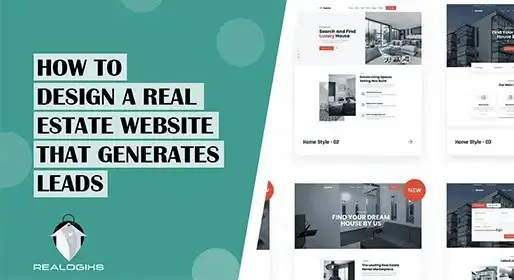
"With Realogixs, your website isn’t just a page, it’s a lead-generating machine. Modern, mobile-friendly, and built for results, it’s the smart choice for any realtor ready to turn clicks into clients."


CONTACT US TODAY