How Real Estate Agents Can Rank in the Google Map Pack
Posted by

Daniel Carter
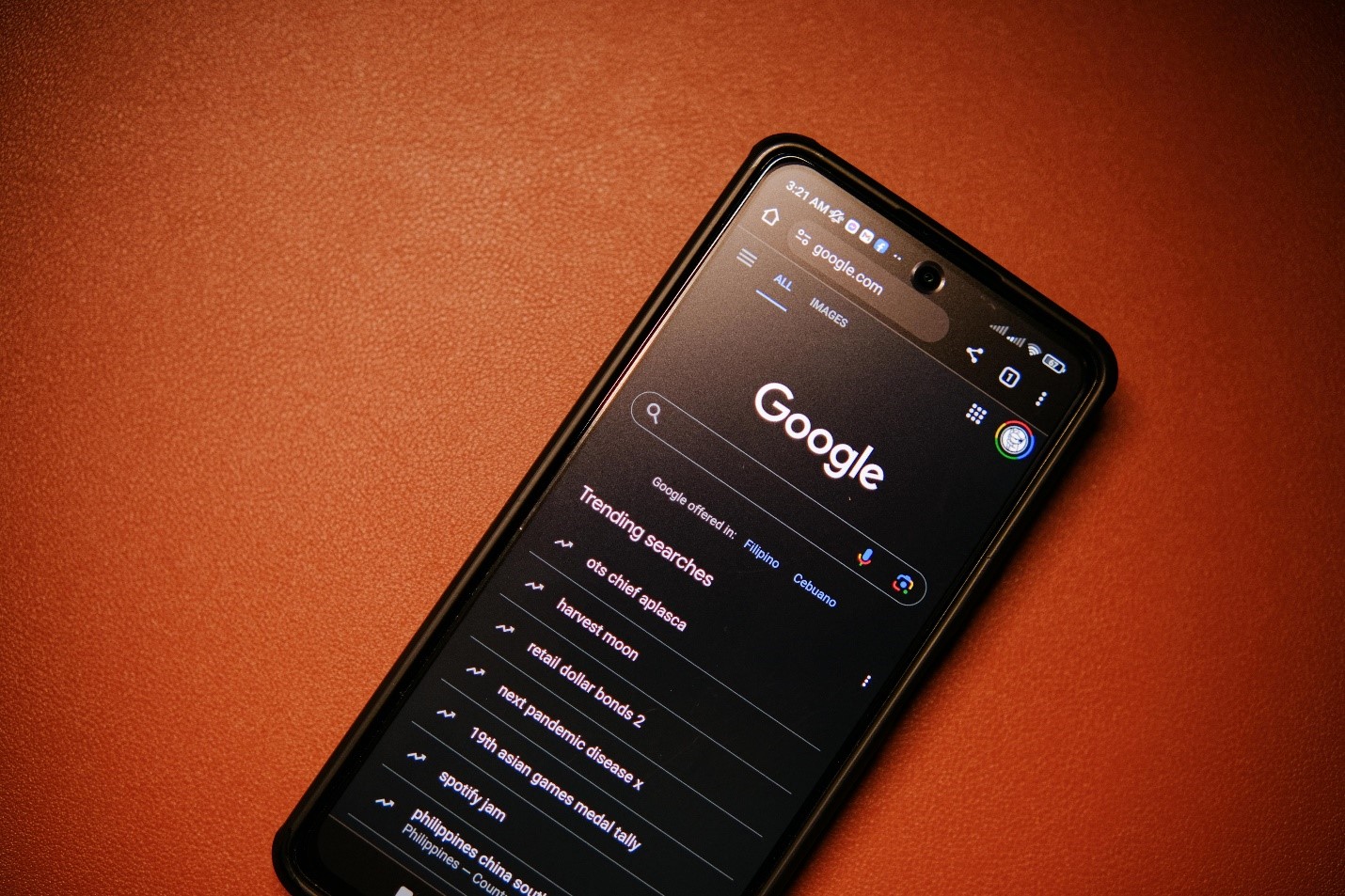
A homeowner sits on their couch late in the evening, scrolling through Google on their phone. They type “best real estate agent near me.” They don’t scroll much. They don’t compare ten websites. They glance at a map, read a few reviews, and click on one of the top three results.
That tiny section at the top of Google, the Google Map Pack, just decided who gets the call.
If you’re a real estate agent, this is not a “nice-to-have” placement. This is where local business happens. This is where trust is built instantly. And this is where leads with real intent live.
At Realogixs, we’ve worked closely with agents, brokers, and real estate businesses who all ask the same question in different ways: Why am I not showing up on Google Maps when people search for agents in my area?
Before we dive deep, if you want a focused foundation on setting up and managing your Google Business Profile the right way, this complete guide explains the essentials clearly and practically:
Now let’s zoom out and build the full picture, because ranking in the Google Map Pack isn’t about one trick. It’s about consistency, local trust, and sending Google the right signals again and again.
What Is the Google Map Pack and Why Does It Matter So Much for Real Estate
The Google Map Pack (also called the Local 3-Pack) is the box that appears at the top of local search results, showing three businesses, their locations, reviews, and contact details.
For real estate agents, this space is powerful for one simple reason: local intent.
People searching for agents are not casually browsing. They are preparing to buy, sell, or invest. When your name appears here, you’re not interrupting them; you’re answering their need at the exact moment it exists.
This is why real estate agents' Google Map Pack visibility often converts better than paid ads, social media posts, or even organic website rankings further down the page.
How Google Decides Who Ranks in the Map Pack
Google doesn’t guess. It evaluates.
For Google Maps ranking for real estate agents, Google focuses on three core signals:
- Relevance
- Distance
- Prominence
Relevance is about how accurately your business profile matches the search query. Distance measures proximity to the searcher. Prominence reflects trust, authority, and real-world activity.
Most agents focus only on distance. The agents who win focus on relevance and prominence, because those are controllable.
Google Business Profile: Your Local SEO Command Center
If your Google Business Profile feels like an afterthought, Google treats it like one.
This profile is the backbone of Google Maps SEO for real estate agents. Every detail matters: your business name, category, description, services, photos, updates, and activity.
Agents who rank consistently treat their profile like a living asset, not a one-time setup.
Your primary category should clearly reflect what you do. “Real Estate Agent” is not optional. Secondary categories should support your niche, not confuse Google.
Your description should explain your value in natural language. Not keyword stuffing. Not sales fluff. Just clarity.
This is where Realogix often integrates insights from broader SEO strategy articles found in our blog section, where we consistently emphasize alignment between user intent and content clarity, something that applies just as much to Google Maps as it does to websites.
Why Consistency Is the Silent Ranking Factor Most Agents Ignore
Consistency is boring. Consistency is repetitive. And consistency is exactly what Google trusts.
Your business name, address, phone number, and service areas must match everywhere, your website, social profiles, directories, and listings.
Inconsistent information confuses Google. Confused systems don’t reward visibility.
This is a core pillar of local map SEO for realtors, and it’s often why capable agents fail to rank while less experienced ones appear above them.
Reviews: Social Proof That Google Actually Measures
Reviews are not just testimonials. They are ranking signals.
Google looks at:
- How many reviews do you have?
- How often do you receive them?
- How detailed are they?
- How do you respond?
For real estate Google Maps ranking, reviews act like digital word-of-mouth. They signal trust, activity, and relevance./p>
The best-performing agents don’t beg for reviews. They build a system. After closings, after showings, after successful consultations, reviews are requested naturally and ethically.
Responding to reviews matters too. Google notices engagement. Clients notice professionalism.
Local Content Builds Local Authority
Your website supports your map rankings more than most agents realize.
Pages that mention neighborhoods, service areas, market insights, and buyer or seller education help Google understand where you operate and who you serve.
This is where broader content strategies discussed across the Realogixs blog come into play, especially content focused on authority, expertise, and local relevance rather than generic marketing copy.
When Google sees alignment between your website and your Google Business Profile, your Google map pack optimization for real estate strengthens naturally.
Photos and Visual Signals Matter More Than You Think
Real estate is visual. Google knows this.
Profiles with regular photo uploads outperform inactive ones. Property images, team photos, office spaces, signage, and even community involvement photos help establish legitimacy.
Photos also increase engagement. Engagement feeds prominence. Prominence fuels rankings.
This is not about aesthetics alone. It’s about activity.
Behavioral Signals: Clicks, Calls, and Direction Requests
Google pays attention to what users do.
When people click your listing, call you, request directions, or spend time interacting with your profile, Google interprets this as relevance.
This is why accurate hours, updated services, clear descriptions, and compelling visuals matter. They encourage action.
And action improves how to rank a realtor on Google Maps more effectively than passive optimization alone.
Citations: Quiet Reinforcement across the Web
Citations are mentions of your business across directories and platforms.
They don’t need to be flashy. They need to be accurate.
Listings on reputable platforms reinforce trust signals. They support your Google Maps SEO efforts quietly but consistently.
Again, consistency is the theme.
Service Areas vs Physical Locations: What Agents Need to Know
Many agents work from home or operate across cities.
Google allows service-area businesses, but clarity matters. If your address is hidden, your service areas must be clearly defined and reflected across your online presence.
This alignment directly impacts real estate agents' Google Map Pack eligibility.
Avoiding Common Mistakes That Suppress Map Rankings
Some issues don’t hurt immediately, but they limit growth.
- Keyword stuffing business names
- Using virtual offices incorrectly
- Ignoring reviews
- Inconsistent contact details
- Neglecting profile updates
These create friction in Google’s evaluation process. Less friction equals better visibility.
Why Google Map Pack Ranking Is a Long Game
There is no overnight win here.
Map rankings improve through steady signals, not spikes. Agents who update regularly, collect reviews ethically, publish local content, and maintain consistency tend to rise and stay there.
This mirrors broader SEO principles discussed throughout Realogix’s educational content: sustainable visibility always beats short-term hacks.
How Realogixs Helps Real Estate Agents Win Local Search
At Realogixs, we don’t treat Google Maps as a checklist item. We treat it as a local growth channel.
Our approach blends:
- Google Maps SEO strategy
- Local content alignment
- Reputation building
- Consistency management
- Performance monitoring
We understand the nuances of Google Maps ranking for real estate agents, because we’ve seen what works across competitive markets.
Final Thoughts: The Map Pack Is Where Trust Meets Timing
Ranking in the Google Map Pack isn’t about tricking Google. It’s about proving relevance, trust, and consistency over time.
When someone searches for an agent, Google wants to show the most reliable choice, not the loudest one.
If your presence reflects clarity, activity, and local authority, Google notices.
And when Google notices, your phone rings.
Show up where local buyers and sellers are already looking.
Author Info
Date: 5-02-2026
Daniel Carter
Daniel Carter is a professional Real Estate Content Writer at Realogixs with 8+ years of experience crafting data-driven, SEO-optimized content for agents, brokers, and property brands. He focuses on creating authoritative blog posts, market insights, and conversion-focused website copy designed to improve search rankings and drive measurable growth.


CONTACT US TODAY