Mobile First Design Tips for Realtor Websites
Posted by

Daniel Carter
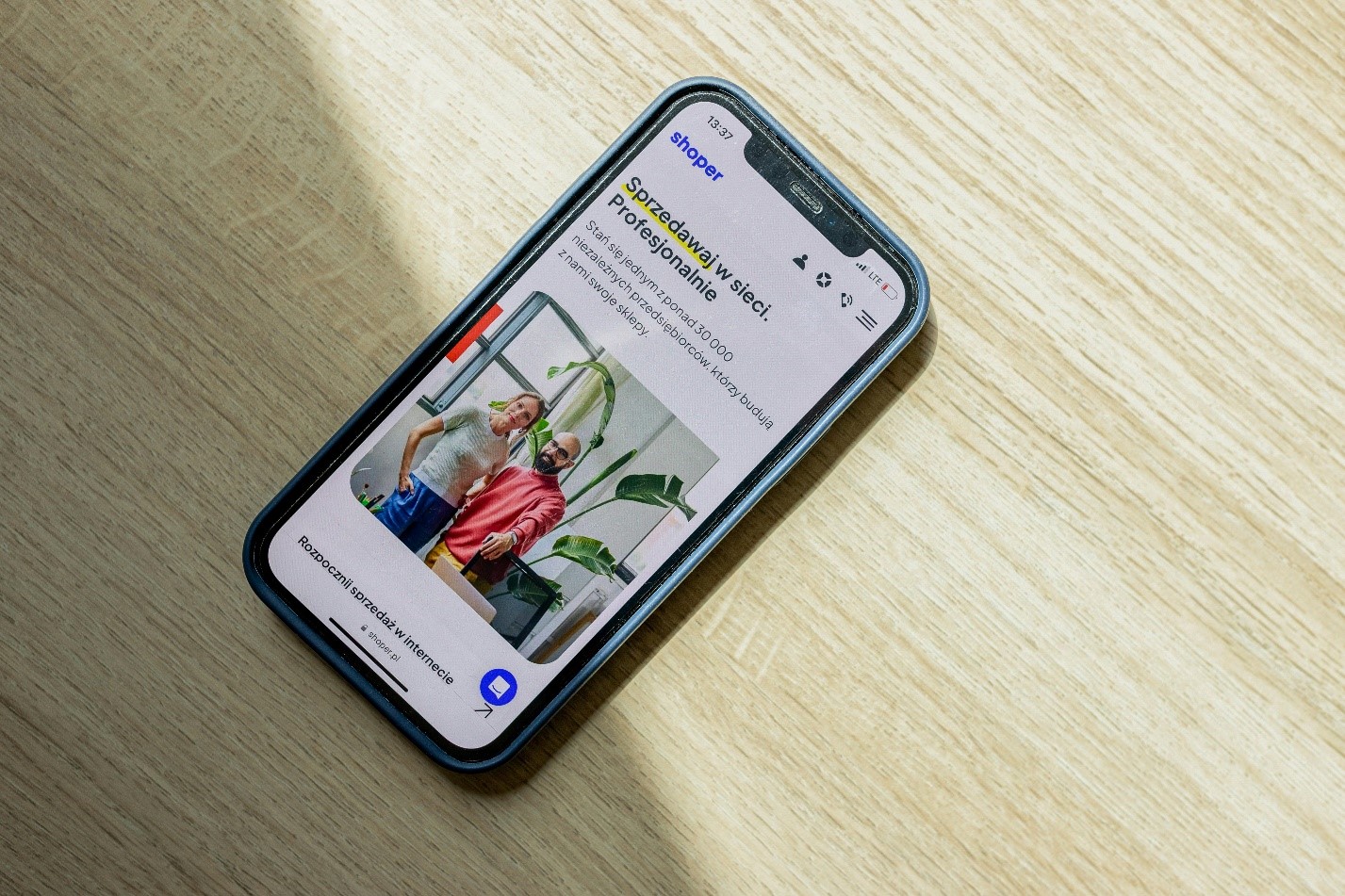
Let’s imagine you’re on your phone scrolling through homes: swiping photos, tapping open floor plans, zooming into kitchen details, then… frustration. The menu hides, the images lag, and before you know it, your thumb flings you back to the search results.
That’s the silent heartbreak of almost every real estate website that isn’t built for the device most buyers use first, their mobile phones.
At Realogixs, we’ve seen this play out time and again in our work with agents, teams, and brokerages looking to deepen engagement and skyrocket conversions. Crafting a mobile-first real estate website design isn’t just a trend; it’s a necessity that can mean the difference between capturing a lead or losing one before they even glance at a listing.
This piece isn’t a dry checklist. It’s a rich, practical exploration of how your real estate website can truly feel good to use on phones and tablets while boosting performance, traffic, and ROI through smart design choices.
Why Mobile-First Matters More Than Ever
Before we dive into strategy, let’s set the stage.
In today’s digital real estate ecosystem, buyers and sellers don’t just find properties online… they begin their search there. Industry data consistently shows that 60–70% of property searches start on smartphones. That means if your site doesn’t feel right on a mobile screen, you’re letting potential clients slip through the cracks.
A Mobile Friendly Realtor Website Tips approach starts with prioritizing the phone, not treating mobile as an afterthought. If your website loads slowly, hides navigation, or makes it hard to browse listings with a thumb, you lose trust, interest, and action.
That’s where a philosophy like Responsive Real Estate Website Design comes into play, yet mobile-first goes beyond responsiveness. Responsive means your site adjusts to screens. Mobile-first means your entire design process starts with mobile users in mind, shaping your content, layout, and features around how people actually navigate with touch and scroll.
1. Start with Clarity, Fast, Clean, and Thumb-Friendly
Here’s a simple truth: clutter kills conversions.
When someone lands on your site from a mobile search, they’re goal-oriented. They want listings, filters, directions, contact methods, fast.
A truly Mobile First Real Estate Website Design removes distraction and highlights mission-critical elements:
- A clean hero section with a property search bar,
- Big, clickable buttons,
- Visible contact options (call, message, schedule a tour),
- And streamlined menus that don’t require pinching or zooming.
This mirrors what Realogixs champions in its approach to Real Estate Web Design Mobile Optimization, which emphasizes simplicity without losing function.
Think about physical spaces too: imagine entering a tidy, well-lit open house versus a cluttered attic with poor lighting. Which one feels welcoming? Your mobile site should be a polished open house experience every time.
2. Make Your Speed an Asset: Real Estate Site Mobile Speed Optimization
One of the top frustrations mobile users face is slow load times. Even a one-second delay can reduce conversions by as much as 7%. Speed isn’t just nice to have; it’s fundamental. Pages that take too long to load make users bounce before they even see your content.
Realogixs builds realtor websites with performance front and center, combining efficient coding, optimized media, and smart hosting strategies to ensure lightning-fast page loads that keep people exploring.
In practical terms:
- Optimize images and videos used in property listings so they load progressively.
- Use lazy loading, only loading visuals when they scroll into view.
- Minify scripts and stylesheets behind the scenes.
- Use a CDN (Content Delivery Network) to serve content faster around the world.
These steps are the backbone of Real Estate Site Mobile Speed Optimization, and they keep potential buyers immersed instead of impatiently waiting.
3. Navigation That Understands Thumbs
One of the core principles of mobile-first design is simplifying navigation so users can find listings, contact forms, and agent info without scrolling or zooming. Techniques like clean hamburger menus and thumb-friendly interface elements help keep users engaged as they browse on smaller screens.
Mobile users navigate differently from desktop users. You use your thumb, not a mouse, and that means menus and actions must be easy to reach without awkward stretches.
One clever mobile design pattern is sticky navigation, a bar that stays at the bottom or top of the screen as users scroll. This makes critical actions (search, contact, account) instantly accessible.
Real estate sites need navigation that feels intuitive:
- Visible Search button
- Props for Filters right in view
- Quick access to Contact and Schedule a Tour
- Clear links to Buy, Sell, Rent, or Market Insights
This is the heart of excellent Mobile UX Tips for Realtors, designing elements not just for beauty but for ease of interaction with fingers. Users should never pinch to find navigation; it should flow with their natural movement.
4. Design Content with Purpose, Think in Hierarchies
A mobile screen is like a tiny stage. What appears first matters most?
That means structuring content so users see:
- A concise value proposition,
- A prominent search bar,
- Featured listings,
- Trust elements (reviews, badges),
- A compelling call-to-action.
This is where your onsite copy and visuals act in harmony. Rather than burying information, good design prioritizes what users want immediately.
Realogixs has spoken about the power of wireframes and thoughtful content structure as part of the design process, a blueprint that eliminates guesswork and puts your highest-impact content up front.
5. Use Trust Signals Early and Often
Trust doesn’t wait until the user scrolls to the bottom of the page; it should be visible right away.
On mobile, social proof needs to be obvious but not overwhelming. Examples:
- Client testimonials
- Star ratings
- Agent credentials
- Market success stories
Placed strategically, these cues boost credibility without taking up too much space or slowing load times.
Realogixs implements these elements as part of a conversion-focused framework that prioritizes trust early, from an agent’s bio to client reviews, boosting confidence and interest even before a listing is viewed.
6. Make Search Powerful, but Keep It Simple
People land on real estate sites with intent. They want to find homes that match their criteria quickly and without friction.
That’s where an effective mobile search bar, combined with intuitive filters, becomes a game-changer. Keep filters thumb-friendly and visible. Think:
Bedrooms, price range, property type, location, all in a mobile-optimized layout that doesn’t require endless scrolling.
Realogix’s IDX/MLS integration ensures that mobile searches are not just functional but fast, accurate, and engaging, giving buyers listings that match their criteria without manual labor.
7. Never Underestimate the Power of Visuals
Real estate is visual storytelling. A mobile screen, though small, can still be rich and beautiful if designed right.
Use large, high-quality photos that adapt to screen sizes without distortion. Avoid tiny thumbnails that feel like pinholes. Instead, let visuals tell stories:
- Lifestyle images that help users imagine life in the home
- Gallery sliders that are easy to swipe through
- Clear property highlights above the fold
If visuals load too slowly, they lose impact, which brings us back to Real Estate Web Design Mobile Optimization and prioritizing speed without sacrificing quality.
8. Forms That Invite Interaction, Not Frustration
One of your most important conversion moments is a lead form. On mobile, forms can feel clunky if mishandled.
Keep them short. Ask only for essential information:
Name
Email
Phone
Inquiry details
Use smart features like auto-fill to save time. Offer compelling motivators (“Get the latest listings”, “Book Your Tour Now”) to make filling out the form feel like a value exchange, not a chore.
This specific attention to usability reflects the Mobile Friendly Realtor Website Tips approach: forms that don’t frustrate while still capturing essential data.
9. Embrace Mobile-First Features like Click-to-Call and Maps
Phone users want action. Give them contact options that work instantly:
- Click-to-call buttons for agents
- Integrated maps that open directions
- SMS or WhatsApp contact options
These features turn passive browsing into moment-to-moment interaction, and mobile users are far more likely to engage when options feel immediate and easy.
10. Test, Refine, Repeat, the True Mobile-First Mindset
Designing for mobile isn’t a one-and-done activity. Good design evolves with user behavior.
Realogixs champions a strategy of continuous improvement, launching, analyzing user behavior (heatmaps, mobile engagement metrics), and refining elements that slow engagement or confuse navigation.
This iterative approach ensures your site doesn’t just launch optimized, it stays optimized.
Wrapping Up: Your Mobile-First Journey Begins Now
Designing a real estate site for mobile isn’t about shrinking content so it “fits” on a phone. It’s about reimagining the experience from the ground up.
Mobile-first design is about understanding how people interact, simplifying complexity, serving content with purpose, and guiding users through a journey that feels intuitive and empowering.
At Realogixs, we build sites that feel alive on mobile, with seamless responsiveness, quick load times, thoughtful navigation, and engaging visual storytelling, all optimized to turn curious browsers into loyal clients.
If you want to dominate your local real estate market with a website that feels right, performs fast, and engages effectively, let your mobile strategy lead the way.
Design for the phone in their hand, not the desk they left behind
Author Info
Date: 12-11-2025
Daniel Carter
Daniel Carter is a professional Real Estate Content Writer at Realogixs with 8+ years of experience crafting data-driven, SEO-optimized content for agents, brokers, and property brands. He focuses on creating authoritative blog posts, market insights, and conversion-focused website copy designed to improve search rankings and drive measurable growth.


CONTACT US TODAY